Biomedical waste is one of the most critical and sensitive waste streams produced by modern healthcare facilities. Hospitals, laboratories, clinics, blood banks, and research institutions generate tons of infectious biomedical waste daily—containing pathogens, sharps, body fluids, laboratory cultures, contaminated plastics, and other hazardous materials. If this waste is not treated properly, it poses severe risks to public health, healthcare workers, and the environment.
Among all available treatment technologies, autoclave biomedical waste systems have emerged as the safest, most efficient, and most environmentally responsible solution worldwide. Autoclaving does not burn or chemically treat waste—instead, it uses pressurized saturated steam to neutralize infectious agents, ensuring complete sterilization without releasing harmful emissions.
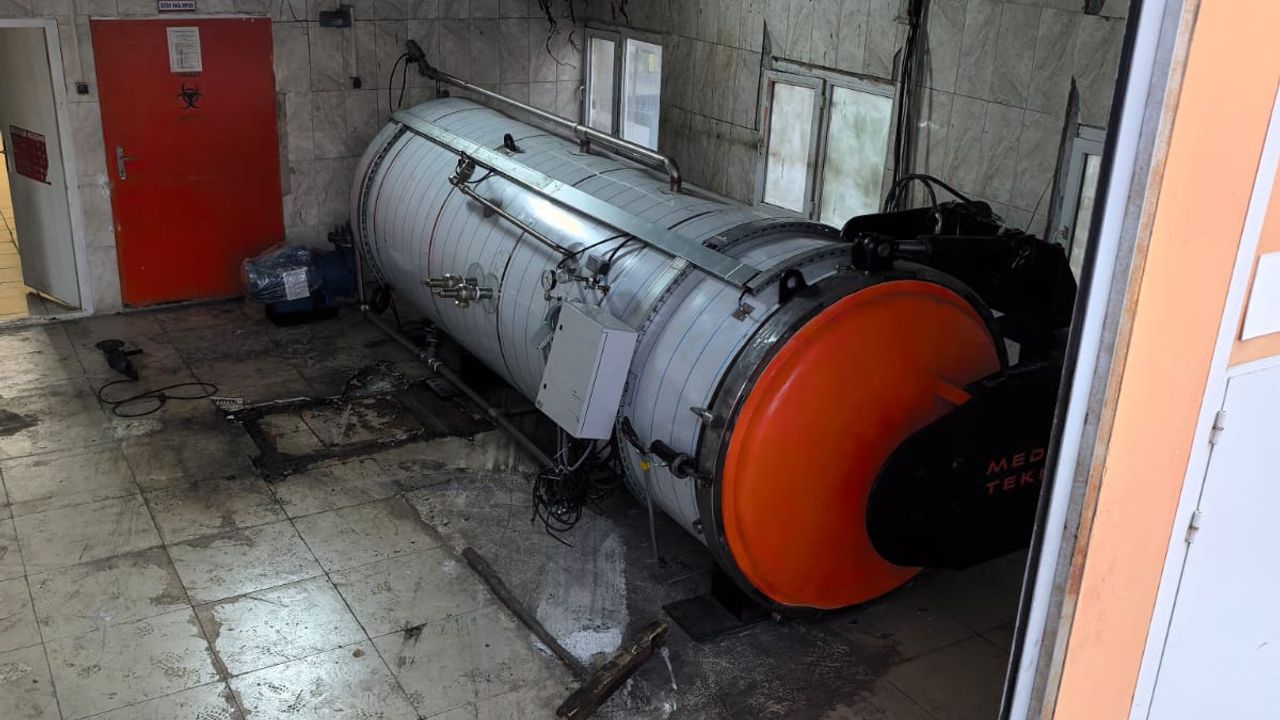
Medico Technical Environmental Technologies manufactures advanced autoclave systems designed specifically for biomedical waste treatment, integrating high-pressure steam sterilization with shredding, automation, and energy optimization technologies. This article provides a comprehensive look into how autoclaves work, why they are superior to incineration, their technical features, and their role in sustainable biomedical waste management.
What Is Autoclave Biomedical Waste Treatment?
Autoclave biomedical waste treatment is a thermal sterilization process that uses high-temperature steam under pressure to disinfect and sterilize infectious biomedical waste. During the process, all pathogens—including bacteria, viruses, fungi, and resistant spores—are destroyed through controlled exposure to saturated steam.
The autoclave process transforms hazardous biomedical waste into:
- Non-infectious
- Odor-free
- Safe-to-handle
- Volume-reduced (if shredding integrated)
- Municipal waste–compatible material
This method is recommended by:
- The World Health Organization (WHO)
- The U.S. Centers for Disease Control (CDC)
- The European Union Waste Framework Directive
- National healthcare waste regulations in dozens of countries
Autoclaving has become the international benchmark for safe and sustainable biomedical waste treatment.
How Autoclave Biomedical Waste Systems Work
Medical and biological waste is treated using a carefully controlled cycle that ensures complete sterilization. The autoclave process generally includes the following steps:
1. Loading Biomedical Waste
Biomedical waste—such as sharps, contaminated plastics, PPE, pathological residues, laboratory waste, dialysis waste, and disposable medical instruments—is placed inside the autoclave chamber.
In modern systems, a pre-shredding or post-shredding mechanism is often included to improve steam penetration and reduce waste volume.
2. Air Removal
Air prevents steam from evenly transferring heat.
Autoclaves remove air using:
- Vacuum pumps, or
- Gravity displacement methods
This allows steam to fully penetrate the waste.
3. Steam Injection & Sterilization Phase
Saturated steam enters the chamber at:
- 121°C to 134°C temperature
- 15–32 psi (2–3.5 bar) pressure
- 30–60 minutes exposure time
These scientifically validated conditions achieve 6-log microbial reduction, destroying even the most resistant bacterial spores.
4. Pressure Release & Cooling
After sterilization, steam is evacuated, and the chamber cools. Safety interlocks ensure operators cannot open the door during pressure phases.
5. Shredding (Optional but Recommended)
Integrated shredders reduce waste volume by 60–80%, creating a homogeneous, compact output safe for landfill disposal.
6. Discharge
The sterilized biomedical waste is discharged automatically and transported to a municipal solid waste landfill.
Technical Specifications of Modern Autoclave Biomedical Waste Systems
Medico Technical autoclave systems are engineered to meet the demands of large hospitals, regional waste treatment facilities, and industrial biomedical waste processing plants.
Typical Technical Features:
|
Parameter |
Specification |
|
Chamber Material |
AISI 316L stainless steel |
|
Operating Temperature |
121–134°C |
|
Operating Pressure |
2–3.5 bar |
|
Sterilization Efficiency |
6-log (99.9999%) |
|
Capacity Range |
150–2,000 kg per cycle |
|
Cycle Time |
30–60 minutes |
|
Shredder Capacity |
100–1,000 kg/hour |
|
Automation |
Fully automated PLC + touchscreen HMI |
|
Vacuum System |
High-efficiency single or multi-stage vacuum pump |
|
Safety Mechanisms |
Dual door interlock, emergency stop, relief valves |
|
Data Logging |
Digital recording (pressure, temp, time) |
|
Energy Recovery |
Heat and water recycling modules |
These features make autoclaves highly reliable, cost-effective, and easy to maintain compared to other treatment technologies.
Advantages of Autoclave Biomedical Waste Treatment
1. Complete Pathogen Destruction
Autoclaving achieves 6-log microbial inactivation, meeting the highest international sterilization standards.
2. Zero Hazardous Emissions
Unlike incinerators, autoclave systems:
- Produce no smoke
- Release no toxins
- Emit no dioxins or furans
- Generate no hazardous ash
This makes autoclaving one of the cleanest biomedical waste treatment technologies.
3. Reduced Waste Volume
When coupled with shredders, autoclaves reduce waste volume significantly, lowering landfill and transportation costs.
4. Lower Operating Costs
Autoclaves require:
- No fuel for combustion
- No expensive filtration systems
- Minimal maintenance
- Low energy input compared to incinerators
Total operating costs may be 40–60% lower than incineration.
5. Easy Regulatory Compliance
Autoclaves easily meet international environmental standards and help facilities avoid penalties or regulatory issues.
6. Worker Safety
Autoclave systems are enclosed, fully automated, and equipped with safety interlocks—reducing exposure risk for healthcare workers.
7. Flexibility of Use
Autoclaves can treat nearly all categories of biomedical waste except certain chemical or pharmaceutical wastes.
Biomedical Waste Treated by Autoclaves
Typical waste streams suitable for autoclaving include:
- Infectious medical waste
- Laboratory cultures
- Contaminated PPE
- Sharps (after shredding)
- Dialysis waste
- Blood-soaked materials
- Pathogen-contaminated plastics
- Waste from isolation units
- Microbiology laboratory waste
This makes autoclaves one of the most versatile waste treatment technologies.
Autoclave Biomedical Waste Treatment vs. Incineration
Many countries have phased out incineration due to environmental concerns. The table below compares both technologies:
|
Feature |
Autoclave |
Incinerator |
|
Emissions |
None |
High (toxic gases) |
|
Pathogen Removal |
99.9999% |
99.99% |
|
Temperature |
121–134°C |
850–1200°C |
|
Operating Cost |
Low |
Very high |
|
Residual Waste |
Harmless |
Toxic ash |
|
Installation Cost |
Moderate |
Very high |
|
Regulatory Acceptance |
High |
Declining |
|
Environmental Impact |
Very low |
Severe |
Autoclaves clearly outperform incinerators in almost every category.
Why Autoclave Biomedical Waste Systems Are the Future
Global healthcare trends favor autoclaving because:
- Governments push for low-emission waste systems
- Incineration is banned or restricted in many regions
- Healthcare facilities aim to reduce carbon emissions
- Waste volumes continue to grow with medical demand
- Autoclaves offer long service life with low maintenance
- Data-based traceability is now a legal requirement
Autoclave systems support a sustainable, zero-emission future in biomedical waste management.
Medico Technical Environmental Technologies Autoclave Solutions
Our company manufactures industry-leading autoclave systems designed for efficiency, safety, and long-term durability.
Product Range:
- MD300Y – 300 kg/cycle autoclave
- MD500Y – 500 kg/cycle autoclave
- MD1000Y – 1000 kg/cycle autoclave
- MD2000Y – 2000 kg/cycle integrated shredding autoclave
Key Innovations We Provide:
- Full PLC automation
- Bipolar steam distribution
- Advanced shredding systems
- Intelligent cooling and drainage systems
- Heat recovery and energy savings
- Stainless-steel pressure vessels with CE/TÜV certification
- Remote diagnostics and monitoring
With global references and a strong engineering team, Medico Technical is recognized for delivering reliable, safe, and high-capacity autoclave biomedical waste systems.
Conclusion
Autoclave biomedical waste treatment is the most trusted, environmentally friendly, and cost-effective method for managing infectious healthcare waste. With zero emissions, high sterilization efficiency, and full regulatory compliance, autoclaves are replacing incineration worldwide.
By choosing advanced autoclave systems from Medico Technical Environmental Technologies, healthcare facilities ensure maximum safety, operational efficiency, and environmental protection—paving the way for a cleaner and healthier future.